Seattle DADU Site Work Costs: Honest Math
Seattle DADU site work can swing a backyard cottage budget fast. See the utility, access, drainage, and soil dials you control before you price the cottage...
**Quick answer:** Seattle DADU site work is usually the budget swing, not the cottage itself. In a typical Seattle market range, plan on roughly $35,000–$150,000+ for excavation, utilities, drainage, access, tree protection, and utility trenching before the vertical build; clean alley access and nearby utility tie-ins sit near the lower end, while steep lots, long sewer runs, retaining walls, or utility upgrades push hard. Anyone quoting a fixed percentage is selling something. Your final number depends on distance to utilities, slope, soil, stormwater rules, tree constraints, and how early you verify conditions. Start with our [site-work and utility cost drivers](/blog/seattle-dadu-cost-drivers-site-work-utilities), then compare the project against the broader [Puget Sound ADU guide](/blog/adu-dadu-puget-sound-2026-guide). The honest move is to price the dirt before you fall in love with the floor plan. That is where we see homeowners keep control.
Key facts
- **Cost:** For a Seattle DADU, site work often lands around $35,000–$150,000+ as an illustrative market range, with utilities, excavation, drainage, and access doing most of the moving. - **Biggest variable:** Utility distance matters; a 20 ft trench and an 80 ft trench are not the same project, even if the cottage is identical. - **Permit:** **Seattle SDCI** and local utility reviews can expose conditions the first concept drawing misses, which is why we tie early budgeting to [what drives Seattle DADU costs](/blog/seattle-dadu-cost-drivers-site-work-utilities). - **Timeline:** Site feasibility, utility research, survey, and early engineering can add 4–10 weeks before a clean permit package in Seattle, Tacoma, King County, or Pierce County. - **Law:** Washington ADU rules keep pushing cities toward more backyard housing, but local utility, stormwater, and tree rules still matter; read our [Washington ADU law guide](/blog/washington-adu-laws-2026-seattle-tacoma) before assuming your lot is simple. - **Parking:** Seattle parking reform helps many lots, but it does not remove the cost of driveway work, alley restoration, or construction access; see the [Seattle parking reform ADU permit update](/blog/seattle-parking-reform-adu-permits-2025). - **What you control:** You control investigation timing, plan size, utility strategy, access plan, and whether your budget carries a real site-work reserve.
Site work is the budget swing, not the cottage shell
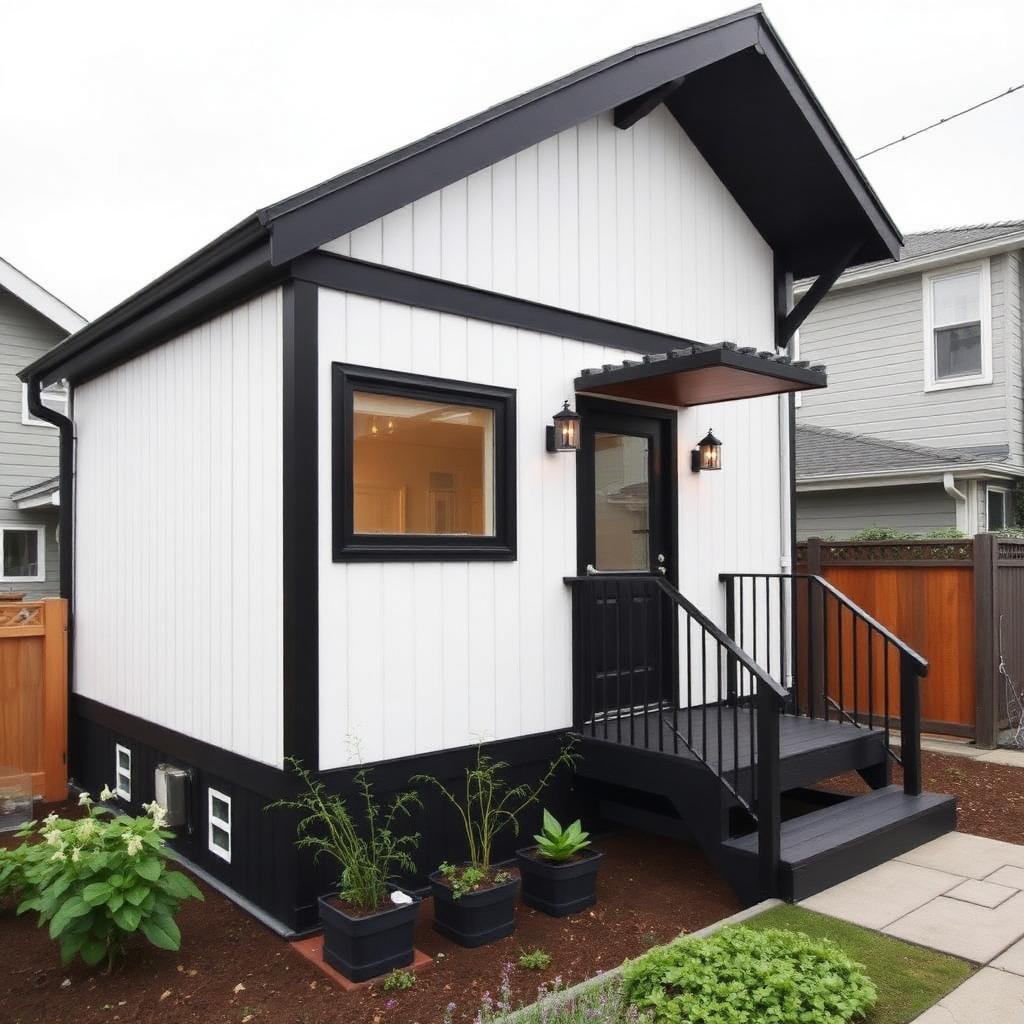
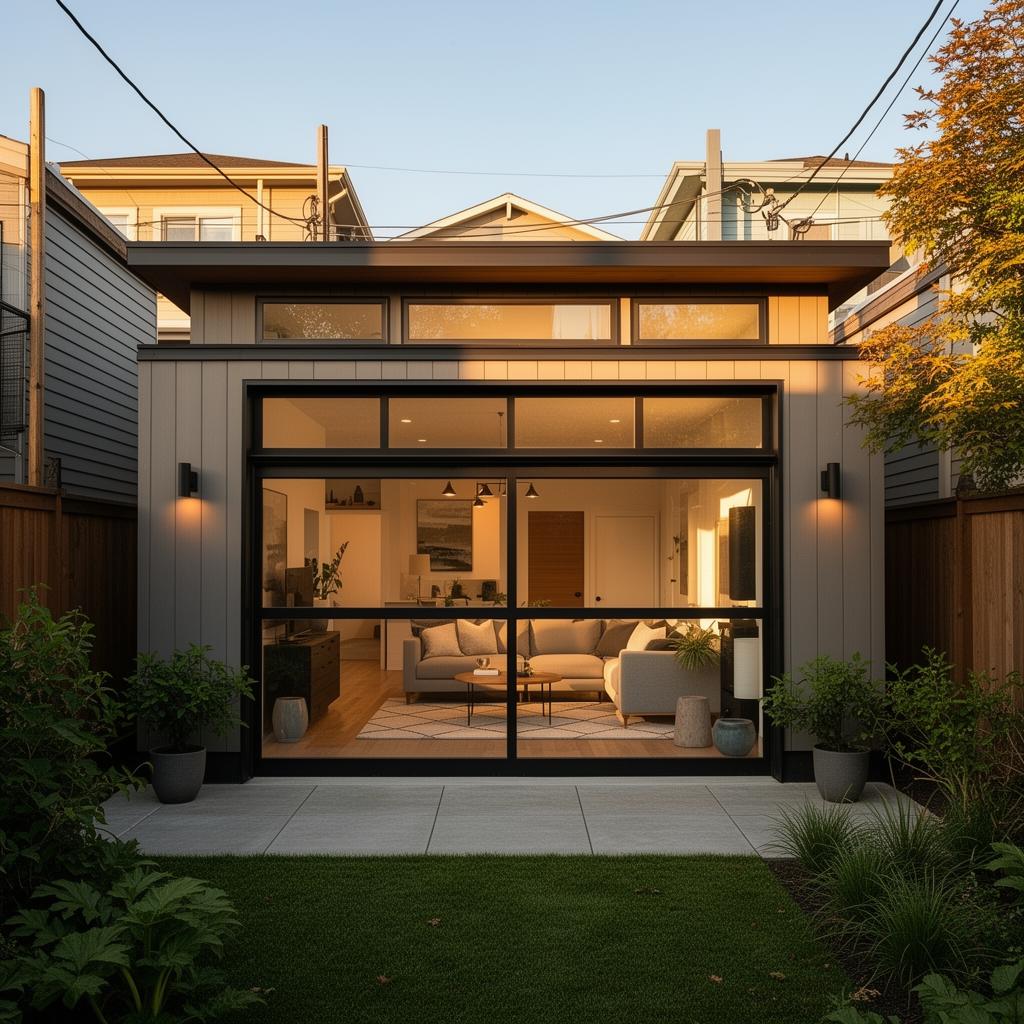
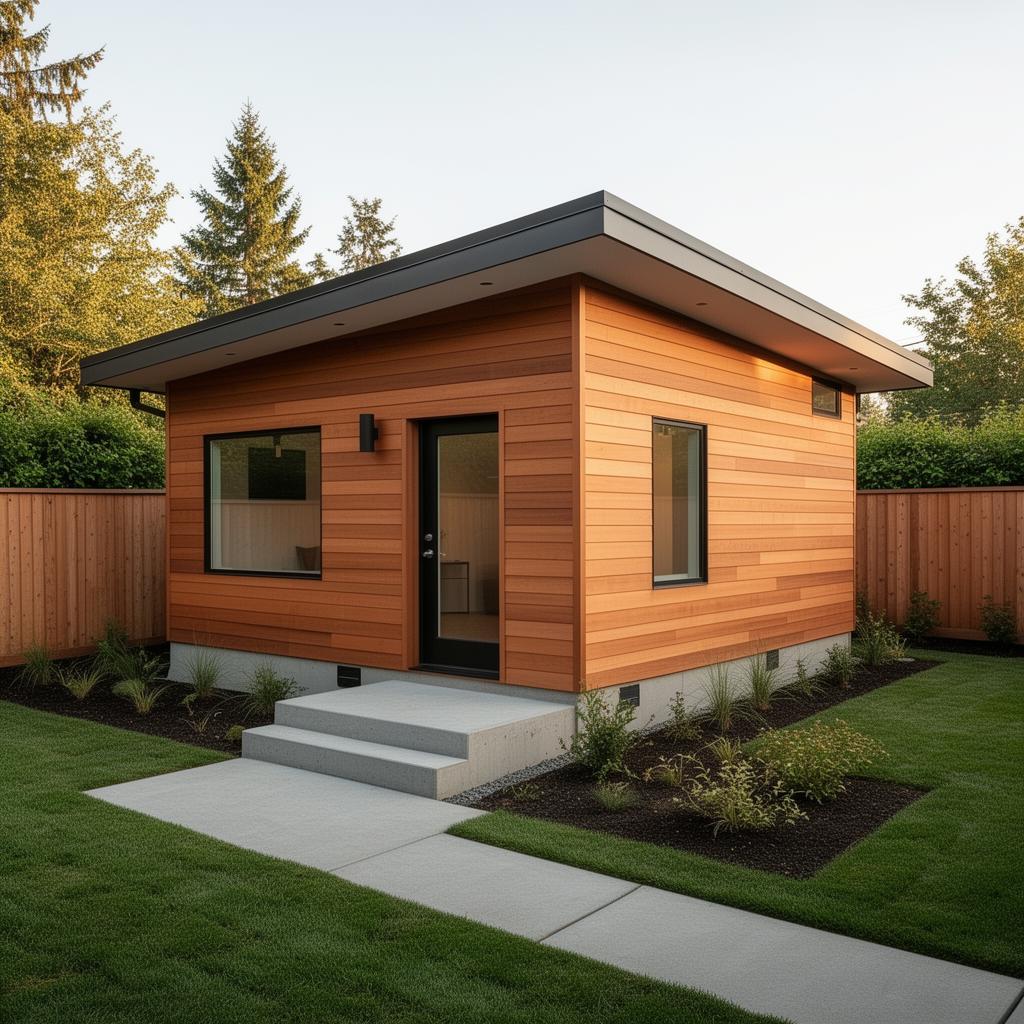
A 650–800 sq ft DADU can look predictable on paper: slab, framing, roof, windows, mechanical, finishes. Then the Seattle lot answers back. The cottage may be repeatable, but the dirt is custom.
On many Seattle, Tacoma, King County, and Pierce County lots, the gap between a straightforward backyard build and a hard one can be $75,000–$125,000 before you change a cabinet, appliance, or tile. That is why we separate the vertical building budget from the site-work budget in feasibility. Pretty renderings do not excavate.
The mistake is treating site work as a small allowance buried inside the total DADU number. You need to see it as a separate risk category: excavation, spoils haul-off, temporary access, trenching, utility tie-ins, stormwater, tree protection, shoring, retaining, and restoration. The broader [Seattle housing cost signals](/blog/seattle-housing-costs-permit-signals-homeowners) tell the same story: buildability is now the deal.
Permitting is not paperwork — it is the value itself.
Utilities decide whether $40k becomes $120k
Water, sewer, power, and stormwater are the first budget check. In Seattle, a DADU behind an older house may need a long side-yard trench, shared utility coordination, service upgrades, or a sewer route that avoids tree roots and foundation zones. In Tacoma or Pierce County, the details differ, but the rule does not: distance and complexity cost money.
| Site condition | Illustrative Seattle-market site-work range | Why it moves | |---|---:|---| | Short utility runs, alley access, modest grading | $35,000–$65,000 | Fewer surprises, less restoration, simpler trenching | | Medium utility runs, tight side-yard access, drainage work | $65,000–$110,000 | More hand work, more coordination, more inspection points | | Long sewer run, slope, retaining, service upgrades, tight access | $110,000–$150,000+ | Engineering, equipment limits, shoring, hauling, and utility upgrades stack fast |
That table is not a quote; it is a sanity check. If your designer assumes the first row and your Seattle lot belongs in the third, the budget will fail late. Our deeper [site-work cost drivers](/blog/seattle-dadu-cost-drivers-site-work-utilities) explain why trench route, utility depth, and restoration can matter as much as square footage.
Here is the builder’s rule: every underground line needs a path, and every path has a price.
Access is where small Seattle lots get expensive
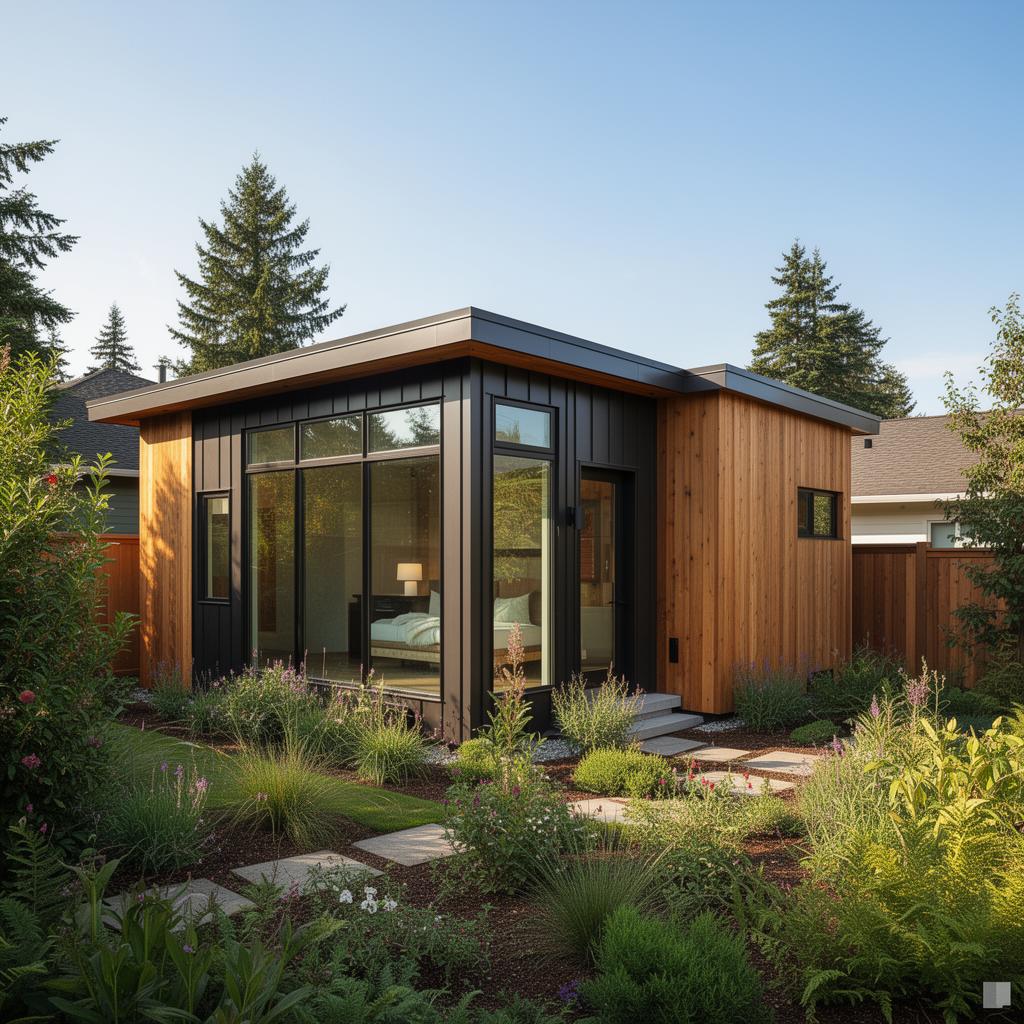
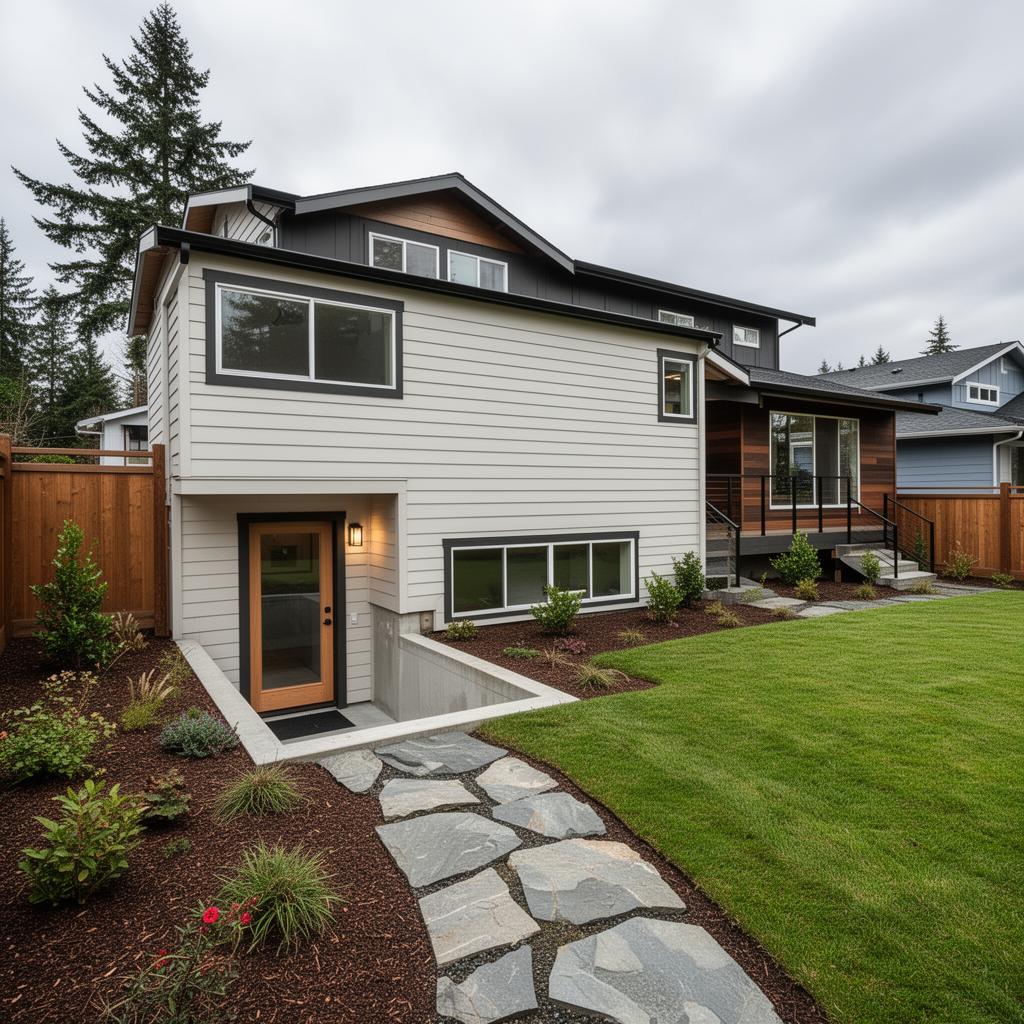
Construction access is the quiet cost driver. A flat Seattle lot with alley access can accept equipment, materials, concrete trucks, and waste removal in a controlled way. A narrow side yard with steps, fences, mature landscaping, or a 6–8 ft pinch point turns routine work into staged labor.
On tight King County infill lots, access can add weeks and thousands because crews may need smaller machines, hand excavation, temporary matting, selective fence removal, or neighbor coordination. A site that looks open on a listing photo may still be expensive if the only route is between the existing house and a retaining wall.
We see this most clearly in older neighborhoods: West Seattle, Ballard, Beacon Hill, North Tacoma, and parts of Lake City all have lots where the backyard is buildable but the route is not obvious. Our [West Seattle ADU permit lessons](/blog/west-seattle-permits-9201-delridge-adu-lessons) are a reminder that the permit set and construction plan need to match the actual path to the back of the lot.
Access is not a footnote. It is the jobsite.
Slope, soils, trees, and drainage are cost dials, not vetoes
Slope is a cost dial, not usually a veto. A modest slope may only change grading and drainage; a steeper Seattle or Tacoma lot can trigger retaining walls, deeper footings, more engineering, or limits on where equipment can safely work. The difference may be 10% of the site-work budget, or it may be the reason the site budget doubles.
Soils matter because a DADU foundation needs bearing, drainage, and stability. If the lot has fill, soft soils, groundwater, or evidence of old buried debris, you may need geotechnical input before pricing the foundation and excavation path. In King County, older lots often carry history that the tax record does not show.
Trees and stormwater are the other pair. A protected tree can change trench routing, foundation placement, and crane or equipment access; stormwater rules can add dispersion trenches, drywells, tightline routing, or other drainage measures. The [Bellevue and Eastgate ADU permit lessons](/blog/bellevue-permits-eastgate-adu-lessons) apply beyond Bellevue: jurisdictional details vary, but site constraints always shape cost.
The right question is not “Can we build?” It is “What does this lot require before we build?”
Permitting rewards early site proof
Seattle SDCI, Tacoma permitting staff, King County, Pierce County, and utility reviewers do not price your project for you, but their rules determine what must be drawn, engineered, inspected, and restored. If your team waits until late design to verify utilities, trees, drainage, or access, the permit process becomes a budget discovery tool. That is the expensive way.
A realistic pre-design package often includes survey, utility research, basic stormwater assumptions, access review, tree review, and a first-pass grading concept. On a Seattle DADU, that work can take 4–10 weeks depending on records, consultant availability, and how quickly the lot conditions are documented.
Washington’s ADU policy direction is pro-housing, especially heading into 2026, but that does not erase local review. The [Washington ADU rules for Seattle and Tacoma](/blog/washington-adu-laws-2026-seattle-tacoma) can tell you what cities must generally allow; they do not tell you whether your sewer is shallow enough, your alley is usable, or your cedar tree controls the trench.
Permitting rewards proof. Opinions do not pass review.
Your pre-design budget should carry two contingencies
For Seattle DADU planning, we like two separate reserves: a known site-work allowance and an unknown-conditions contingency. The first covers work you already expect, such as utility trenching, grading, drainage, and restoration. The second protects you from what the ground reveals after demolition, excavation, or utility exposure.
A practical early planning range is a 10%–20% contingency on the site-work portion, not necessarily the entire DADU. On a $75,000 site-work assumption in Seattle or Pierce County, that means you are reserving $7,500–$15,000 for conditions that are plausible but not fully visible yet. If your lot has slope, long utilities, or retaining needs, the reserve should sit higher.
You also control the scope. A larger DADU, deeper footprint, complicated foundation, detached garage replacement, new patio, or major landscape restoration can drag more site work behind it. Before you compare plans, compare what each plan forces the site to do against the broader [Puget Sound ADU planning guide](/blog/adu-dadu-puget-sound-2026-guide).
The cheapest surprise is the one you price before design.
FAQ
How much should I budget for Seattle DADU site work?
Usually yes — you should carry a separate site-work budget, often around $35,000–$150,000+ as an illustrative Seattle market range. The lower end assumes short utility runs and easy access. The higher end shows up with slope, retaining walls, long sewer routes, drainage work, service upgrades, or tight equipment access. Start with [what a DADU costs](/blog/seattle-dadu-cost-drivers-site-work-utilities), then verify your lot.
Is site work included in a DADU builder’s price?
Sometimes — but you need to ask exactly what is included. A clean fixed price should define excavation, utility trenching, stormwater, restoration, access assumptions, tree protection, and exclusions. If the number hides site work in a vague allowance, your risk is still open. We prefer to investigate the lot first, then price the design, permit, and build path.
Can a steep Seattle lot still work for a backyard cottage?
Yes — slope is a cost dial, not usually a veto. The issue is what the slope triggers: retaining, drainage, deeper foundations, geotechnical input, smaller equipment, or staged excavation. In Seattle and Tacoma, a sloped lot can still be a strong DADU candidate if the budget acknowledges the site before design gets too far.
What site work surprises homeowners the most?
Usually yes — utilities are the surprise. Homeowners expect the building to cost money, but they underestimate sewer depth, trench length, electrical service coordination, water routing, restoration, and inspection sequencing. Trees and drainage are close behind. A 40 ft difference in utility routing can matter more than upgrading several interior finishes.
Should I test utilities before choosing a DADU plan?
Yes — at least research them before you commit to a plan. You do not always need full excavation upfront, but you should know likely sewer route, power strategy, water tie-in, stormwater concept, tree constraints, and construction access. That early work can prevent a beautiful plan from forcing an ugly site budget.
Does selling a DADU separately change site work costs?
Rarely. Separate sale rules may change legal, ownership, utility, access, and documentation strategy, but dirt still behaves like dirt. If you are thinking beyond rental use, read about whether you can [sell a DADU separately in Washington](/blog/sell-dadu-separately-washington-2026) before you set utility and access assumptions.
The honest verdict: Seattle DADU site work is where budgets either get disciplined or get exposed. You cannot control the age of the sewer, the slope of the lot, or every utility requirement, but you can control when you investigate them — early, before the floor plan becomes emotionally expensive. Start with the free **[Analyze My Lot](https://app.nwadubuilders.com)** tool, then [book a free site evaluation](https://nwadubuilders.com/contact) and we’ll quote a fixed-price design + permit + build path. Related reading: [Seattle DADU cost drivers](/blog/seattle-dadu-cost-drivers-site-work-utilities), [Puget Sound ADU planning](/blog/adu-dadu-puget-sound-2026-guide), [Seattle parking reform for ADU permits](/blog/seattle-parking-reform-adu-permits-2025), and [two ADUs on one lot rental income](/blog/two-adus-one-lot-seattle-rental-income). *general information, not tax or legal advice — confirm current rules with your county assessor*
Book a free feasibility review →