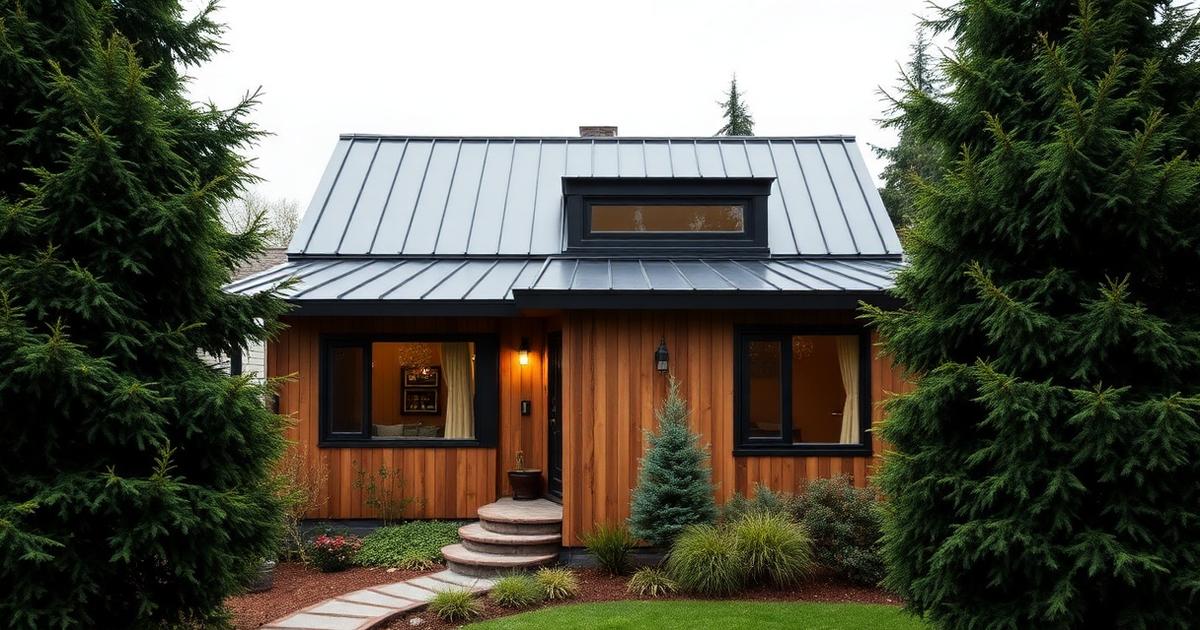
Quick answer: In 2026, an ADU in Seattle typically runs $85k–$160k for a conversion (garage or basement), $185k–$320k for a detached backyard cottage, and $320k+ for a premium custom build. Most detached backyard cottages we deliver land in the $250,000–$450,000 range on a fixed-price contract that covers design, permits, and construction, with a 10–16 month end-to-end timeline from first call to certificate of occupancy.
Key facts
- Conversion ADU: $85k–$160k · 300–650 sq ft · 3–5 months (garage or basement).
- Detached Cottage (DADU): $185k–$320k · 400–900 sq ft · 5–7 months of construction.
- Premium Custom: $320k+ · 800–1,200 sq ft · 7–10 months of construction.
- Typical detached range: most Seattle-area DADUs we deliver fall between $250,000 and $450,000 all-in.
- End-to-end timeline: plan on 10–16 months from first conversation to keys — feasibility + design + permits + build.
- Fixed-price contract: one number covers design, permits (including city fees), and construction — no draws for line-item surprises.
- Built by a design-build team with 93+ ADUs completed across King, Pierce, and Snohomish counties.
The three pricing packages
We publish three package tiers on the pricing page so you can benchmark your project before we ever meet. Each tier is a fixed-price contract — design, permitting, and construction all inside one number.
| Package | Price | Size | Construction Timeline |
|---|---|---|---|
| Conversion (garage or basement) | $85k–$160k | 300–650 sq ft | 3–5 months |
| Detached Cottage (DADU) | $185k–$320k | 400–900 sq ft | 5–7 months |
| Premium Custom | $320k+ | 800–1,200 sq ft | 7–10 months |
Most of the backyard DADUs we build finish in the $250,000–$450,000 window once size, finishes, and site conditions are set. Not sure which tier your lot supports? DADU floor plans by lot size works out the buildable square footage first — this page prices it.
What's included in a fixed price
One number, one contract, three phases handled by the same team:
- Design: feasibility, site plan, floor plans, elevations, and the construction drawings the city reviews.
- Permits: the full permit package plus all city fees — SDCI review, plan check, and utility connection fees roll into the contract price.
- Construction: demo, foundations, framing, MEP, insulation, drywall, finishes, and final inspections through certificate of occupancy.
What you write on the contract on day one is what you pay on day the ADU is finished. No surprise draws for scope that should have been priced in.
What moves the number inside a package
The package range exists because three qualitative levers move the price within a tier:
- Site conditions: slope, sewer condition and run length, panel capacity, tree protections, and access. Before you price a build, confirm the parcel pencils — will your lot qualify for a DADU walks through the five factors that shape site cost. If the property is on a septic system, the bedroom-capacity review comes first — see building an ADU on septic in King or Pierce County.
- Size and layout: square footage, one story vs two, and whether the floor plan is a repeat-friendly layout or a fully custom one.
- Finishes: cabinetry, counters, flooring, fixtures, appliances, and windows. Same footprint, very different finished cost.
Zoning and legal capacity are set by state and city rules — see the 2026 Washington ADU laws for what you're now allowed to build on a Seattle-area lot.
The realistic timeline: 10–16 months end-to-end
The construction window on the package chart is only part of the story. From the first conversation to a certificate of occupancy, plan on 10–16 months total: feasibility and design, then permitting (the least predictable phase), then the 3–10 months of construction the tier calls for. Starting the design and permit work early is the single biggest thing you can do to shorten the calendar.
How to price your specific lot
Two steps, both free:
- Run your parcel through the Analyze My Lot tool for a 60-second read on zoning, buildable area, and a ballpark cost band.
- Book a free site visit and we'll confirm sewer, slope, and access, then quote a fixed number against one of the three packages.
Once you have a number, the next decision is who to hire against it — a design-build specialist, a general contractor you trust, or a prefab vendor — and each path has a different effect on that fixed-price line. Our ADU companies vs general contractors comparison walks the nine trade-offs that decide which vendor type fits which project.
Frequently Asked Questions
How much does an ADU cost in Seattle in 2026?
Conversions (garage or basement) run $85k–$160k, detached backyard cottages run $185k–$320k, and premium custom builds start at $320k+. Most detached DADUs we deliver land in the $250,000–$450,000 range on a fixed-price contract that covers design, permits, and construction.
What's included in the fixed price?
Design, permitting (including all city fees), and construction through certificate of occupancy — one contract, one number, one team.
How long does an ADU take to build in Seattle?
Construction runs 3–5 months for a conversion, 5–7 months for a detached cottage, and 7–10 months for a premium custom build. End-to-end — feasibility, design, permits, and construction — plan on 10–16 months.
What moves the price inside a package?
Three qualitative levers: site conditions (slope, sewer, panel, access), size and layout (square footage and one vs two stories), and finish level (cabinets, counters, flooring, fixtures, windows).
How do I get a price for my specific lot?
Start with the free Analyze My Lot tool at app.nwadubuilders.com for a 60-second zoning and buildable-area read, then book a free site visit and we'll quote a fixed number against one of the three packages.
The 2026 price picture is honest and boring: three fixed-price packages, one number that covers design + permits + build, and a 10–16 month calendar. Start with the free Analyze My Lot tool, then book a free site visit and we'll price your parcel against the package tiers on our pricing page. Hiring next? See ADU builders near me: how to choose locally. Related reading: will your lot qualify for a DADU, the 2026 Washington ADU laws, does an ADU increase home value, and how an ADU actually changes your property taxes — including the 3-year exemption most owners miss.